When your child seems on edge, it is easy to wonder if they are just going through a phase or if something deeper is bothering them. Anxiety is one of the most common mental health challenges for kids today, affecting their ability to learn, play, and connect with others. Recognizing the early signs can make a big difference, as early support helps children build the skills they need to handle stress with confidence.
Key Takeaways
- Occasional worry is normal, but persistent anxiety often shows up as physical complaints, avoidance, or big mood shifts that last for weeks.
- Children often express anxiety through behaviors like irritability, stomachaches, or trouble sleeping rather than saying they feel scared.
- Parents can help at home by modeling calm coping and talking openly, while teachers can provide structure and support at school.
- A formal diagnosis requires a qualified mental health professional, but noticing these signs is a great first step toward getting help.
How Anxiety Shows Up in Younger Children
Anxiety in young children rarely looks like what adults experience. Instead of verbalizing fear, they may display it through their body and behavior. The NIMH notes that younger children might have frequent tantrums, seem intensely irritable, or appear fearful much of the time. These behaviors can be easy to misinterpret as simple defiance or a bad day, when they might actually be signs of underlying distress.
Somatic complaints are also very common in this age group. Children may complain of frequent stomachaches or headaches that have no known medical cause. They might struggle with sleep, either sleeping too much or too little, or have frequent nightmares. If your child in the Lake Norman area seems to be in constant motion and cannot sit quietly, or if they are avoiding play with other children, these could be indicators worth discussing with a healthcare provider.
Warning Signs in Older Children and Teens
As children grow into adolescence, anxiety often shifts toward emotional withdrawal and changes in routine. According to the CDC, symptoms can include a loss of interest in activities they used to enjoy, low energy, and a tendency to spend more time alone. Older children might avoid social activities with friends or family, which can look like typical teenage moodiness but is actually a form of isolation driven by fear.
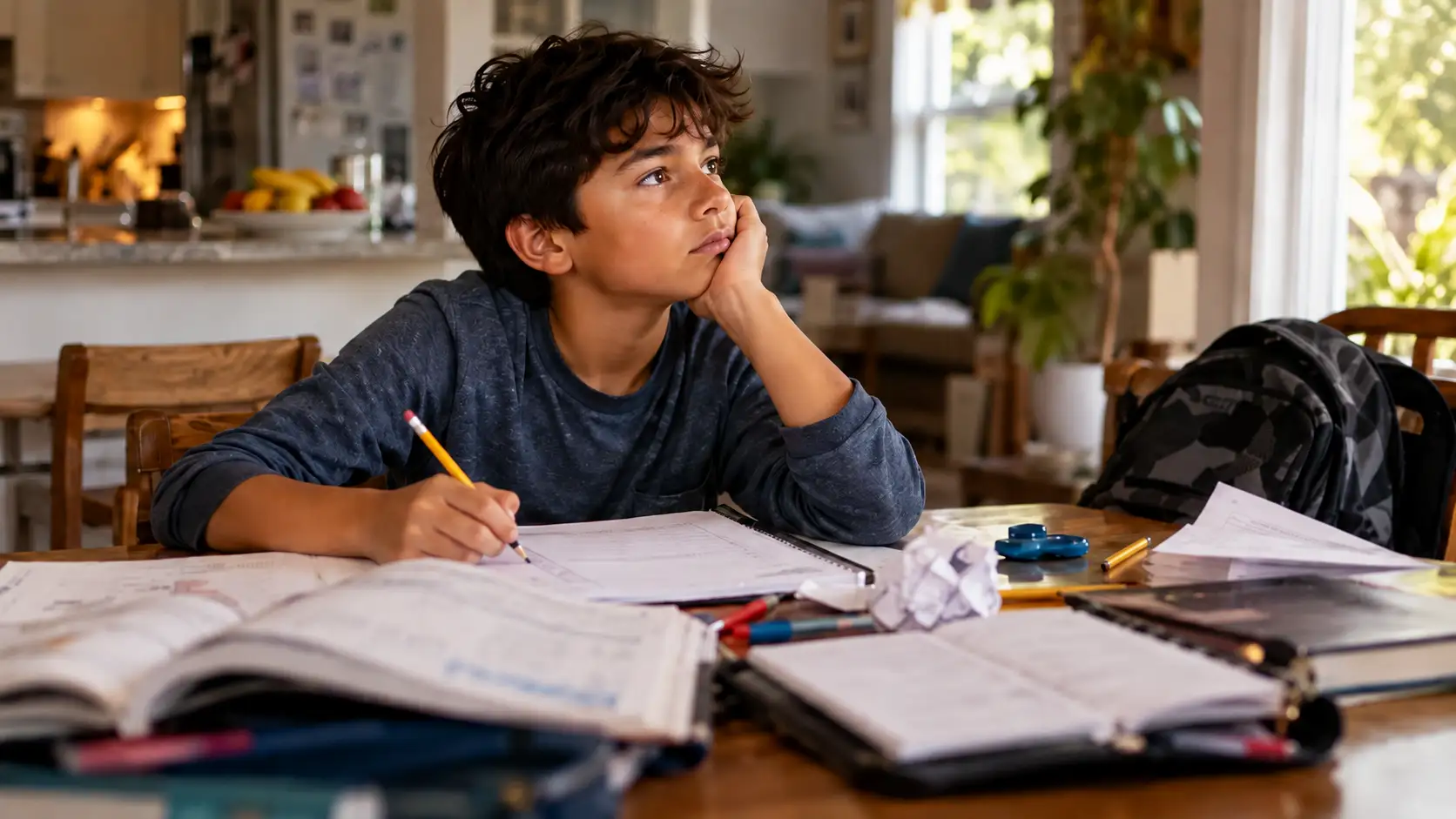
School performance can also take a hit. The NIMH highlights that older children may struggle academically or show a recent decline in grades. They might also engage in risky behaviors or show signs of excessive dieting. It is important to remember that mental health conditions can interfere with healthy development, and these changes in behavior or mood may signal that a child is struggling to cope with everyday stressors.
Parent Self-Awareness Checklist
Use this non-diagnostic list to track patterns in your child's behavior. If several of these signs persist for weeks or longer and interfere with daily life at home or school, consider seeking a professional evaluation.
Situational Triggers to Notice
- Does your child refuse to attend school, go to sleepovers, or participate in sports due to fear or worry?
- Do they ask for excessive reassurance about common situations, like whether a door is locked or if a parent will return safely?
- Do they become visibly upset or shut down when faced with new or unpredictable environments?
Everyday Behavioral Signs
- Recurring physical complaints like headaches or tummy aches before school or social events.
- Difficulty falling asleep or staying asleep, often due to racing thoughts or fear.
- Irritability, anger, or intense emotional outbursts that seem disproportionate to the situation.
- Perfectionism or extreme reluctance to try new things for fear of making a mistake.
Supporting Your Child at Home
Parents play a crucial role in helping children manage anxiety. The CDC emphasizes that safe, stable, and nurturing relationships provide a strong foundation for mental health. You can start by talking openly with your child about their feelings in a calm, non-judgmental way. Validating their fears, rather than dismissing them, helps them feel understood and supported.
Modeling healthy coping strategies is also powerful. When children see their parents handling stress with deep breathing, positive self-talk, or taking breaks, they learn these tools by example. Keeping a consistent daily routine provides a sense of security, making the world feel less overwhelming. Small steps, like celebrating small victories, can help build your child's confidence over time.
Partnering with Schools
Schools are a major part of a child's life, and anxiety often shows up most clearly in the classroom. The NIMH suggests talking with teachers to understand how your child behaves in school compared to home. Teachers can provide valuable insights into social interactions, academic struggles, and classroom behavior that you might not see at home.
Working together with school counselors can lead to better outcomes. Some schools offer accommodations, such as extra time on tests or a quiet space to decompress during stressful moments. By collaborating with educators, you can create a consistent support system that helps your child thrive both inside and outside the classroom.
What You Can Do Next
If you recognize several signs from the checklist, the next step is to consult a qualified professional. A comprehensive evaluation by a mental health expert can help clarify whether your child is experiencing a developmental phase or a condition that benefits from treatment. The NIMH notes that early treatment can help prevent more severe, lasting problems as a child grows up.
You might start by contacting your child’s pediatrician for a referral, or you can reach out to a local mental health center. At New Mentality, P.C., we offer specialized support for youth in the Mooresville area, including our Child Anxiety Program which provides evidence-based strategies for kids and their families. Remember, asking for help is a sign of strength and care for your child’s well-being.
Related services at New Mentality: Child Anxiety Program
Contact New Mentality to Learn More
New Mentality, P.C.
816 Brawley School Road, Suite D
Mooresville, NC 28117
Phone: 704-799-1270
Serving Mooresville, Lake Norman, Cornelius, Davidson, Huntersville, and surrounding communities.
If you or someone you know is experiencing a mental health crisis or thoughts of suicide, call or text 988 to reach the Suicide & Crisis Lifeline in the United States, available 24/7. If someone is in immediate danger, call 911.
This article is intended for educational purposes and does not replace personalized medical or mental health advice, diagnosis, or treatment.